 Log In
‘Every Action Matters’
A conference for social impact leaders takes a model approach to its own social impact projects in host destinations.

A conference for social impact leaders takes a model approach to its own social impact projects in host destinations.

The CEMA Summit 2026 keynote speaker offers a preview of what she will share with the audience of corporate event marketers when she takes the stage in Toronto in August, including why the qualities that make for successful events are the ones you need to rise as a leader at your company.

Here’s what you need to know about event cancellation insurance, from post-COVID changes to a rise in specific risks that threaten your event’s financial viability.

From practical strategies for cutting food waste at events to insights from Tanya Popeau on the rise of the “anti‑anti sustainability movement” — here’s what’s new on the Convene Podcast.
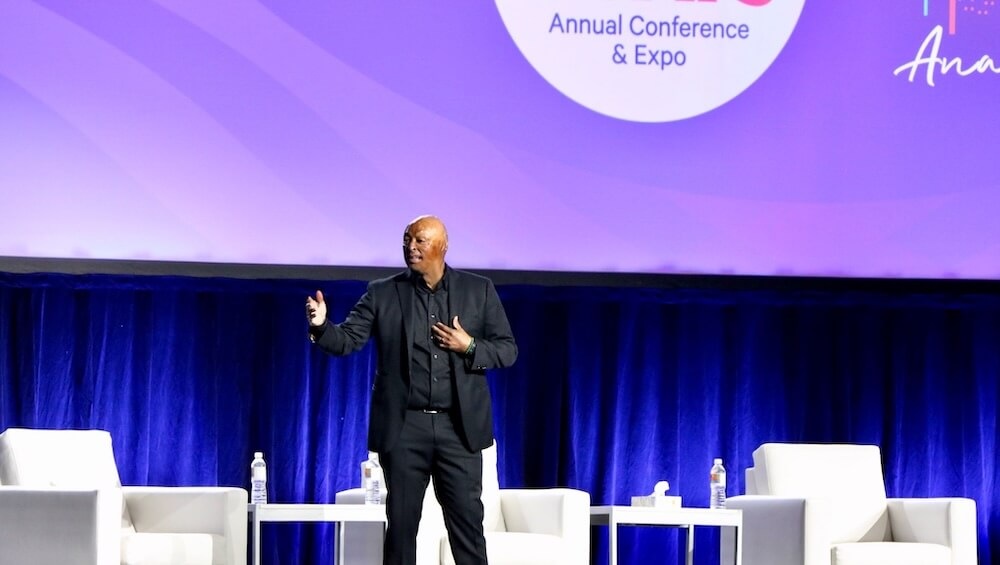
The recent opening keynote of the American Occupational Therapy Association Annual Conference & Expo was a master class in how to make an authentic emotional connection with the audience — and came as a complete surprise to the speaker.

Your colleagues are on the move, find out who is going where.
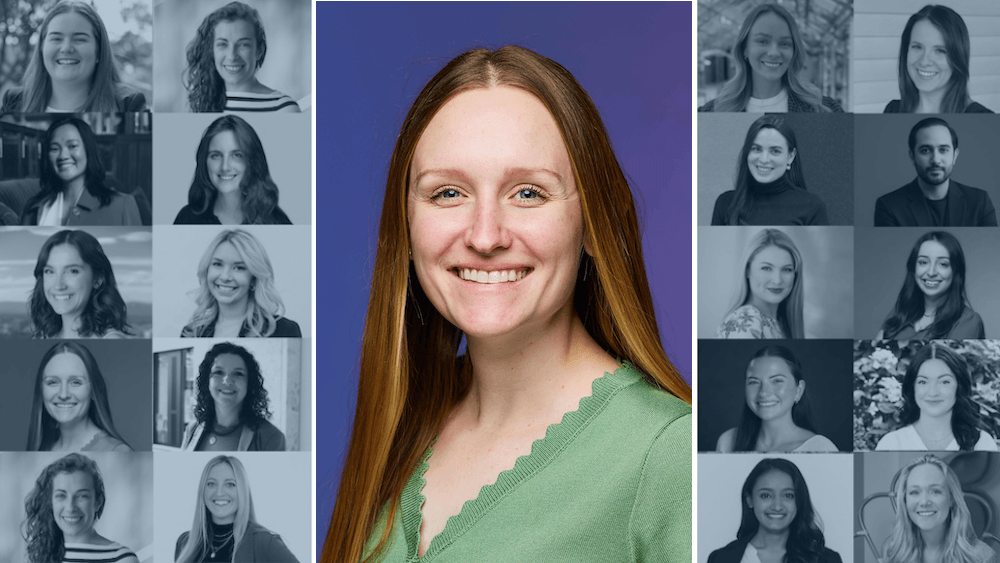
Ashlen Rosenbaum, content & program coordinator for the Pediatric Academic Societies Meeting, prioritizes working closely with students and early career peers in her community, creating hands-on volunteer roles and meaningful networking spaces for the next generation of events-industry talent.

From how planners and venues can work together to reduce food waste and control costs, to what shifting immigration policy and labor shortages mean for hospitality, travel, and meetings in the U.S. — here’s what’s new on the Convene Podcast.
Your colleagues are on the move, find out who is going where.

Kaitlin Payne, CMP, meetings and events manager at the National Association of Convenience Stores, knows that when timelines, budgets, and logistics are critical, it’s the ability to stay calm, communicate clearly, and build trust that ultimately defines a strong event professional.

For the first time in four decades, the International Congress of Mathematicians is being held in the United States in July — but a grassroots movement to relocate the meeting is gaining traction and dividing members around the globe.

From how one association doubles the value of its annual meeting by co‑locating with a trade show, to practical strategies for reducing food waste through smarter F&B planning and communication — here’s what’s new on the Convene Podcast.