Log In


Ahead of the 24th International AIDS Conference (AIDS) in 2022, Tourisme Montréal and the Palais des Congrès de Montréal, pictured, collaborated to help raise awareness in local communities. Photo by Mathieu Dupuis, Tourisme Montréal.
What do we really want this meeting to do for the future? That’s the key question more organizers should be considering, according to the latest findings from Destination Canada’s groundbreaking Legacy & Impact Study. The research evaluated 12 events held in Canada between 2018 and 2025 — all of which managed to create results that have lived on well beyond their closing sessions. While the size and scope of the programs varies widely, the second year of the study identified one commonality: A shared set of legacy drivers is involved in shaping profound outcomes for an event.
As you design your next program, be mindful of how the following nine components can turn a one-off meeting into an enduring difference-maker that shapes a brighter future.
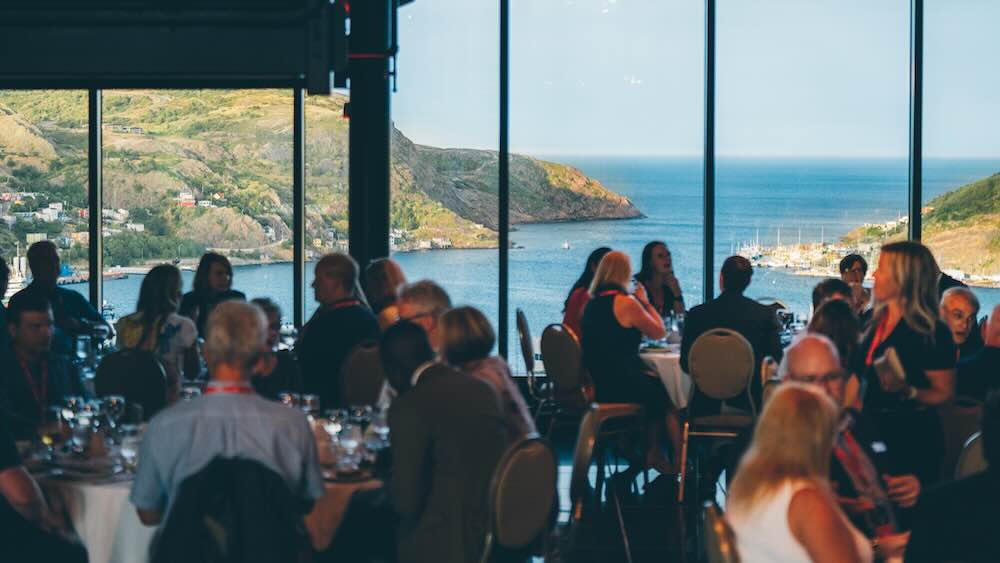
AquaCulture Canada and World Aquaculture Society North America 2022, which brought more than 1,100 attendees to the St. John’s Convention Centre, is a reminder that Canada excels in events in the natural resources sector.
Knowledge Transfer — Consider opening the program to the public to empower and inspire members of the local community.
Capacity Building — Do more than facilitate conversations among existing thought leaders; design training and skill-building courses to shape the next generation of experts.
Sector Innovations — Showcase the innovative and groundbreaking approaches of those in the host community to elevate the destination’s international profile.
Legacy Frameworks — Develop actionable strategies for sector transformation as part of your program and set global benchmarks that others can use to measure future progress.
Diversity, Equity, and Inclusion Initiatives — Focus on elevating underrepresented voices through opportunities to showcase their research, speak on panels, and join the conversation.
Showcasing Local Expertise — Evaluate procurement processes to ensure that the economic benefits of large meetings reach small members of the local business community.
Sustainable Practices — Don’t wait for a post-event carbon report to make adjustments; put the planet at the top of the priority list in the early planning stage.
Community Engagement — Cast a wide net in the host destination to identify partners that have a connection to the meeting, like academics in the classroom, officials drafting new public policy, patients looking for new healthcare treatment, and much more.
Advocacy Activities — Understand the key issues that are impacting your audience, and host events that help policymakers understand what’s at stake, why it matters, and how they can help your cause.
What happens when you don’t think about the big picture?
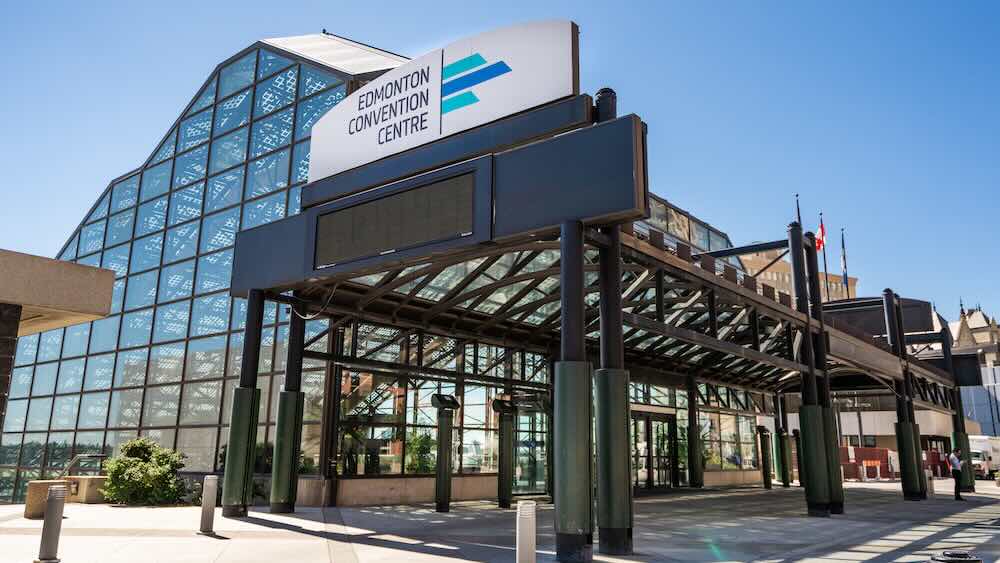
To further amplify the impact of the CitiesIPCC Cities and Climate Change Science Conference, the City of Edmonton partnered with Alberta Ecotrust to establish a $500,000 grant program to fund climate adaptation and mitigation research. Photo by Brandon Mattice.
The bulk of the latest report focuses on the positive payoffs of legacy building — more than $49 million in funding for four nature-based-solutions projects at the 5th International Marine Protected Areas Congress in Vancouver, for example, and a shared policy agenda for more than 4,500 municipalities around the world at the CitiesIPCC Cities and Climate Change Science Conference in Edmonton.
However, the research also shines a light on the issues that arise when organizations fail to look toward the future. Events that are still rooted in the traditional heads-in-beds model only manage to tell a fraction of the narrative of why they matter. It’s not just about what happens over two or three days; when organizers begin the planning process with legacy building in mind, those programs have the potential to change the course of the next two or three decades.
To dive into the full findings from the second year of Destination Canada’s study, click here.