 Log In

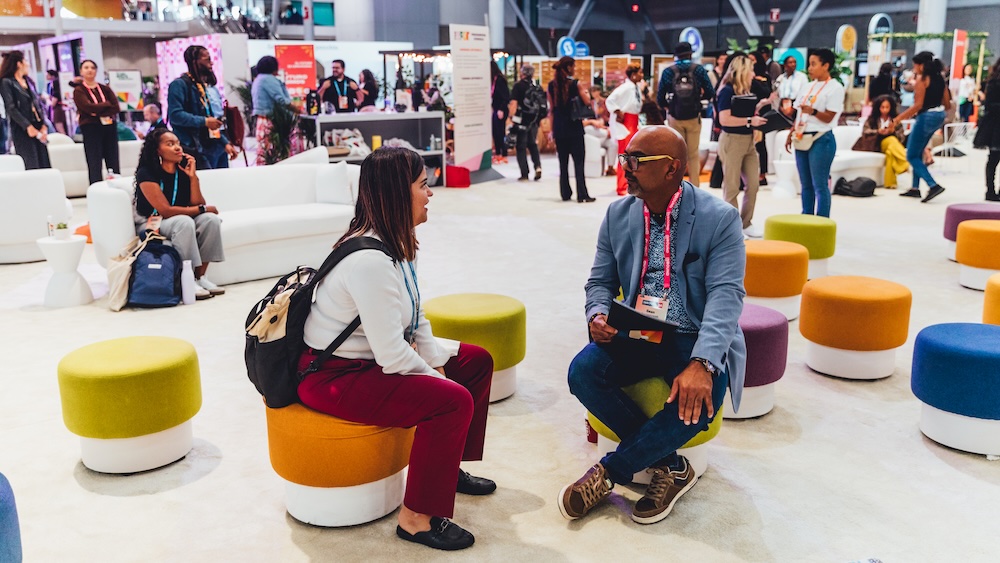
The success of a space created for two conference micro-communities led HubSpot to reimagine their networking strategy.
In 2025, more than 13,000 people attended INBOUND, a four-day conference for marketing, sales, and other business professionals hosted by the technology company HubSpot. The 15-year-old conference, which was renamed UNBOUND earlier this year, took over three floors in the Moscone Center in San Francisco last year, with 250 speakers, more than 200 breakout sessions, and 11 stages. When you are working in events on that scale, “it’s hard to make a conference feel intimate and small — to make it feel like you can find people who have similar interests or common ground,” said Stephanie Kelch, HubSpot’s director of experiential creative, production and event technology. And in her experience, while people may come for the content, Kelch said, “their takeaway is the experience and networking.”
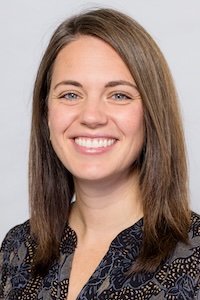
Stephanie Kelch
Kelch’s observation aligns with data from a 2025 Freeman Trends Report on attendee connection: Half of all meeting participants say that successful networking is the No. 1 motivator to return to an event, and for Gen Z audiences, the figure is 65 percent. (See “Networking by Design” below).
Over the last two years, HubSpot has been expanding the networking opportunities at its annual conference, adding elements including Braindates, which match attendees with similar interests over specific topics. “And we’ve always had meetups, which have been really popular for us,” Kelch said. But for UNBOUND 2026, to be held in September at the Thomas M. Menino Convention & Exhibition Center in Boston, HubSpot is launching what Kelch has described as “a complete reimagining of how we’re driving personal connection at the conference.”
‘Always-On’ Connection
At UNBOUND 2026, networking will be anchored in “The Exchanges,” three destinations on the conference’s main floor, and designed to help participants connect in multiple ways — including over shared work and personal identities, through expert content delivered in informal settings, and socially, through activations designed to bring people together over food, drink, and fun.
A primary inspiration was the success of a networking space called The Spot, created as a space for two conference communities, the All Black Collective, rooted in a more-than-decade-old network linking Black participants, and the more recent Conexión, developed for Latino participants. Last year, organizers noticed that The Spot had started to draw much wider crowds — people who “were just looking for a place to call home and to have a little fun, as well as find meaningful connections,” Kelch said.
‘Ripe With Opportunity’
When she and her team began to look closely at what had made The Spot work so well to connect attendees, the fact that it served as a conference home base stood out, she said. A lot of conferences — UNBOUND included — schedule meetups where people connect around topics at certain times, she added. What was different about The Spot is that it provided an “always-on” space, where people can go, not just once, but any time throughout the conference and connect with other participants, she said.
The conference had always seen success with meetups organized around special interests — the community that evolved into the All Black Collective itself grew out of a meetup. Kelch and her team had been looking at post-event surveys from past attendees, who come from multiple industries and work in a variety of professional roles, asking for more chances to connect and compare notes with attendees who share those things in common, she said. It felt like a gap that at an event like UNBOUND, there might be just a single meetup focused on a specific industry or a professional available to participants, she said. “And, after seeing the foot traffic and the energy around The Spot, we thought, ‘Oh, this is ripe with opportunity to help expand into these other audiences.'”
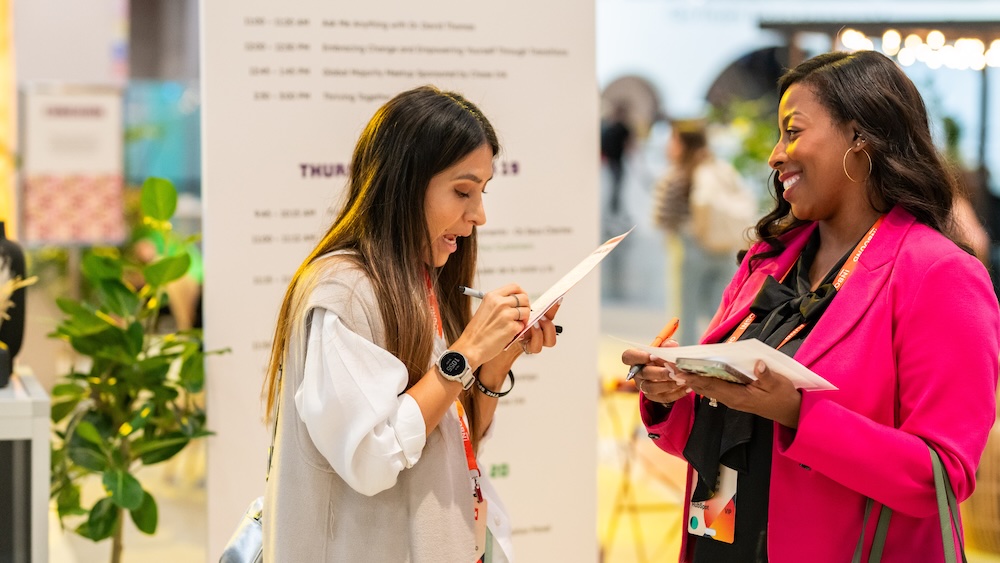
Dedicated spaces for networking work to personalize HubSpot’s 13,000-person annual conference.
 Subscribe to Convene.
Want deep-dive insights on events delivered to your inbox? Sign up for our newsletters
The Connectors
The Exchanges that will debut this fall at UNBOUND combine those elements — a home base dedicated to networking and multiple opportunities for attendees to connect over the identities and professional roles they have in common, Kelch said. “The Sector,” for example, will be industry-based: “Think manufacturing, finance, healthcare,” Kelch said. “It’s a space where people [working in those industries and] facing the same challenges can have conversations that relate very specifically to the work that they’re doing.” Inspired by the vibes of a pool hall, according to Kelch, The Sector features pool tables where attendees can shoot a game or two together. The Exchanges aren’t just sectioned-off groups of rounds, she added. “We wanted to make them a wow.”
The space at “The Sync” connects participants through their work roles, including company founders, marketers, sales professionals, and others. Designed with all the trappings of a collaborative workspace, it will be “almost like a creators’ hub,” Kelch said. Filled with materials like industrial pegboards, whiteboards, and sticky notes, the space is meant “to evoke the feeling of working with your peers on a big pitch or campaign.”
The Spot will expand, with space not only for the All Black Collective and Conexión, but the conference’s LGBTQ+ audience, women in tech, and other groups, Kelch said. The Spot will be themed like a house party, Kelch said. “We may be playing fun games in the living room or there could be a Conexión meetup.” Her team has “put a lot of thought into the music and food and beverage” in The Exchanges, she said. “It’s those details “that really make it feel relevant to somebody and make it feel personal.”
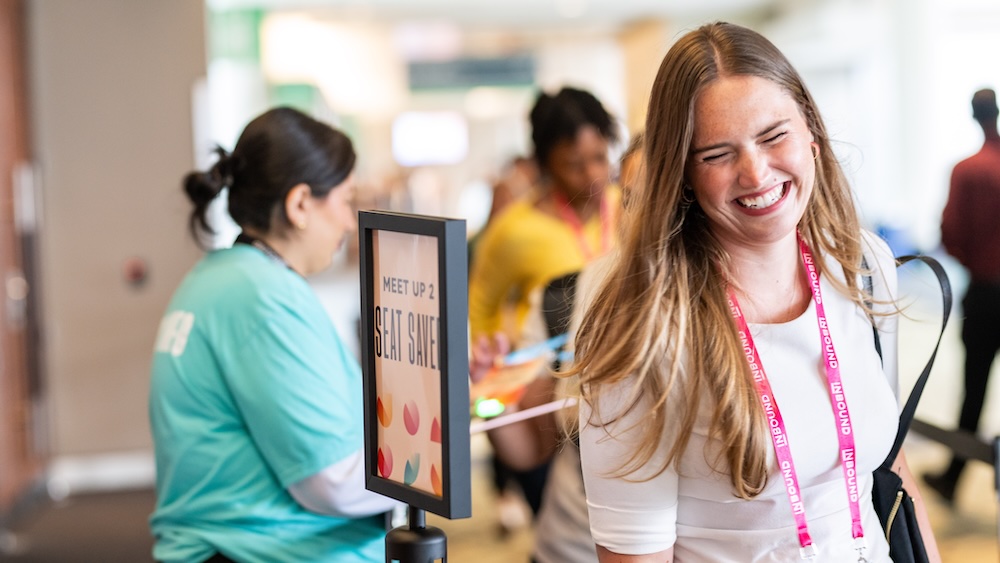
‘Meeting the need for more connection is one of our biggest bets,’ Stephanie Kelch said.
The meetups that used to be held in various locations throughout the event will all be held at The Exchanges throughout the week, Kelch said. Conference speakers are also scheduled to take part in “Ask Me Anything” sessions in the networking hubs, Kelch said, to provide opportunities for more in-depth conversations. And “people like to have fun. So we are creating a lot of activations that feel fun and personalized.”
“Both the scheduled meetups and activations have designed them very intentionally to make people want to come back more than once,” she said. “We want it to be a place where participants will come if they have a break and maybe bump into somebody that they met in a meetup earlier,” she said. “Our hope is that people do revisit these spaces throughout the conference.”
One key to helping participants become comfortable connecting in The Exchanges is HubSpot employees that will be staffing them, Kelch said. Unlike temporary event staff, Kelch said, “HubSpotters” are knowledgeable about the kinds of conversations that will offer value and depth to participants. When people walk in, staff can make introductions and be the connector, Kelch said.
Betting Big
Every year, Kelch and her team consider how the conference’s design can evolve to serve the needs of the industry and business and “to give people what they are really looking for,” she said. This year, “meeting the need for more connection is one of our biggest bets.”
“I think that when people attend an event — and this is a personal point of view —they have to justify [going] by showing what it is they are going to learn [from the content program],” she said. “I think that is shifting, since people now can get content online at their fingertips.”
In The Exchanges, “we’re doing a lot of experiential programming that’s not something you could just find online” — hands-on, engaging, and based around peer feedback and small groups, Kelch explained. That’s “maybe another way to talk about networking — through experiential learning moments where you’re getting hands-on with other people.”
Networking by Design
Research shows that attendees want to get more from networking than chance meetings — they want pathways designed to help them meet their peers, experts, and people who share their challenges.
Half of all meeting participants say that successful networking is the No. 1 thing that motivates them to return to an event, according to the 2025 Freeman Trends Report: “Unpacking XLNC: How to Architect Serendipity and Connect People in Meaningful Ways.” Networking is even more important to emerging generations, Ken Holsinger, Freeman’s senior vice president, strategy and research, told Convene. “Among Gen Z, the figure is 65 percent.”
Most Gen Z attendees prefer low-pressure networking environments that offer natural ways to interact, rather than “throwing people into a reception hall with cocktails and forcing them to fend for themselves,” according to the Maritz report “NextGen-Proofing Your Events.” Nearly 60 percent of Gen Z respondents say they avoid events if they don’t know someone else who is going, according to the report’s research.
And they’d like support in connecting with others: More than eight out of 10 — 82 percent — say they would like to feel more comfortable with face-to-face interactions, according to the report. While 95 percent of Gen Z respondents recognize the importance of building business relationships for career success, only two in five feel confident in networking and building business relationships.
For all meeting attendees, when asked about the formats they most prefer, 51 percent chose discussing industry-specific topics and 63 percent identified subject-matter experts as the most important contributors to a successful networking experience, according to the 2025 Freeman Trends Report. “The number one thing the attendees tell us [about networking] is that they want you to bring them subject matter experts and help them connect,” Holsinger told Convene. “And they want meeting planners to determine topics they can network around.”
Barbara Palmer is Convene’s deputy editor
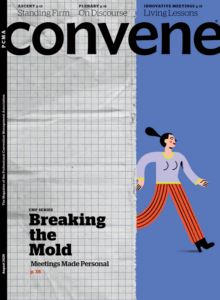 Meetings, Made Personal
This article and those listed below are part of Convene’s August 2026 issue cover and CMP Series story package.