 Log In

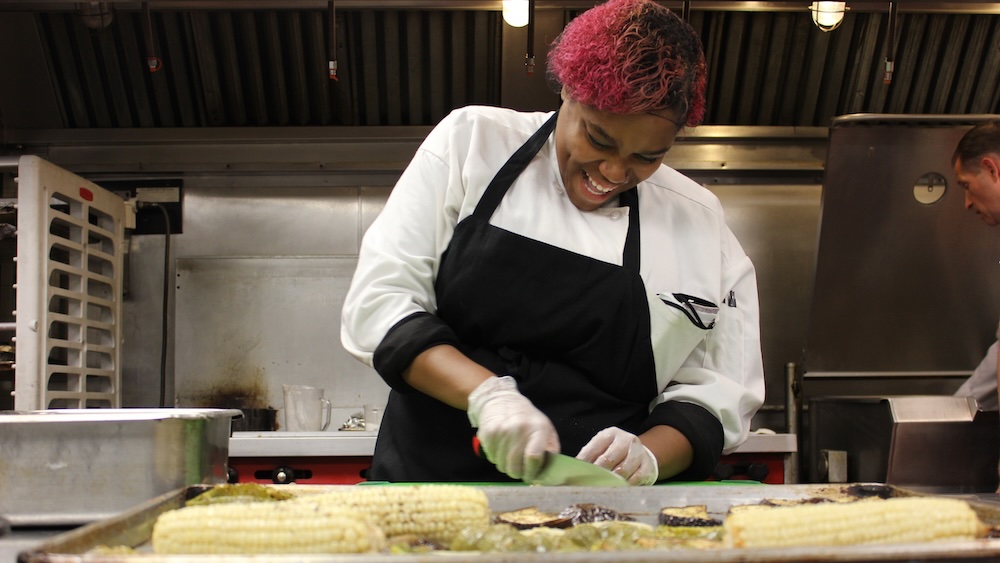
The Philabundance Community Kitchen culinary training program has produced more than 1,000 graduates. The Philadelphia CVB and Michelin are now lending their support to enhance employment opportunities for those in the program.
When visitors come to Philadelphia, food is likely on the agenda. They often dine in one of the city’s nearly 50 James Beard–honored restaurants or spend an afternoon exploring one of several historic food markets. Media outlets from Food & Wine to Forbes have highlighted the recent growth of the city’s dining scene, calling it one of the best in the world. And last year, Philly made it into the 2025 Michelin Guide Northeast Cities edition for the first time ever.
Even though the city’s growing culinary reputation attracts attention — and helps to make hospitality a top-producing industry for the region — food insecurity presents a daily challenge for more than 15 percent of the population. It’s a quandary that the Philadelphia Convention & Visitors Bureau (PHLCVB) hopes to work toward fixing through a new partnership with Michelin and Philabundance, a Philly-based nonprofit food bank.
The PHLCVB Foundation announced last November it would help coordinate mentorship and employment opportunities at the city’s 35 Michelin-recognized restaurants for graduates of the Philabundance Community Kitchen (PCK), the nonprofit’s entry-level culinary training program for no- or low-income, SNAP-eligible adults.
Robin Bloom, PHLCVB’s former senior director of communications, said that Philly has seen a bump in restaurant and hotel openings in the last few years, and since one of the PHLCVB Foundation’s pillars is hospitality education, supporting the PCK training program felt like a natural fit. “It’s important to the city as a whole to provide this kind of pipeline for jobs for Philadelphia residents and the region’s hospitality industry,” Bloom said. “A well-trained hospitality workforce is essential to delivering exceptional meetings and conventions.”
 Subscribe to Convene.
Want deep-dive insights on events delivered to your inbox? Sign up for our newsletters.
The idea behind the new partnership is that Michelin-recognized chefs will guest teach special sessions in PCK’s program on topics like entrepreneurship as well as provide on-site internships to students in their respective restaurants and, potentially, offer them future employment opportunities.
“The cool thing about Philly is we’re very chef driven … so a lot of the chefs are the restaurant owners,” Bloom said. “We’re connecting [with] them to serve as mentors for mentorship programs; some of them have already been tapped to be commencement speakers at the [PCK] graduation.”
‘Highlighted and Embraced’
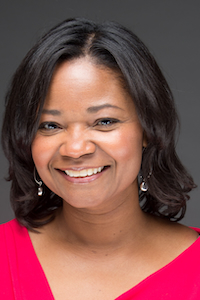
Loree D. Jones Brown
“The work that we do has really been highlighted and embraced by the tourism industry in Philly,” said Philabundance CEO Loree D. Jones Brown, speaking of this new partnership as well as the nonprofit’s relationship with other local hospitality-focused organizations, like the Pennsylvania Restaurant and Lodging Association, which also helps with job placement for PCK students.
PCK’s 16-week training program, which is free for students, has run for more than 25 years, producing over 1,100 graduates who have gone on to work in food service roles at restaurants, hotels, and venues around the city. Besides giving them a foundation in the culinary arts, the program helps students gain valuable experience working in a restaurant-style kitchen while receiving essential support services, like transportation, childcare, and post-graduate employment placement. Those support services are key to why they see a graduation rate of 60 percent, which “is really good for this kind of program,” Jones said, particularly since it’s tough and intensive.
When it comes to meetings and events, the benefits of the PCK program extend in both directions. PCK students often assist Philabundance’s PCKatering culinary team in its catering services for events. Meanwhile, groups meeting in Philly frequently choose to volunteer their time to the organization, from raising funds to packing meals to hosting food drives.
That kind of support, Jones said, is essential to keeping organizations like Philabundance a critical resource for the community. “There are food banks like ours, wherever you are. Find the one near you and think about ways you can volunteer with them and support them.”
Jennifer N. Dienst is Convene’s senior editor.
On the Web
- Learn more about Philabundance and the Philabundance Community Kitchen.
- Looking to support food banks in your host destination? Check out Feeding America, a nonprofit network of 200 food banks, and Catalyst Kitchens, a national network of social enterprise and nonprofit organizations with teaching kitchens to help end joblessness.