 Log In

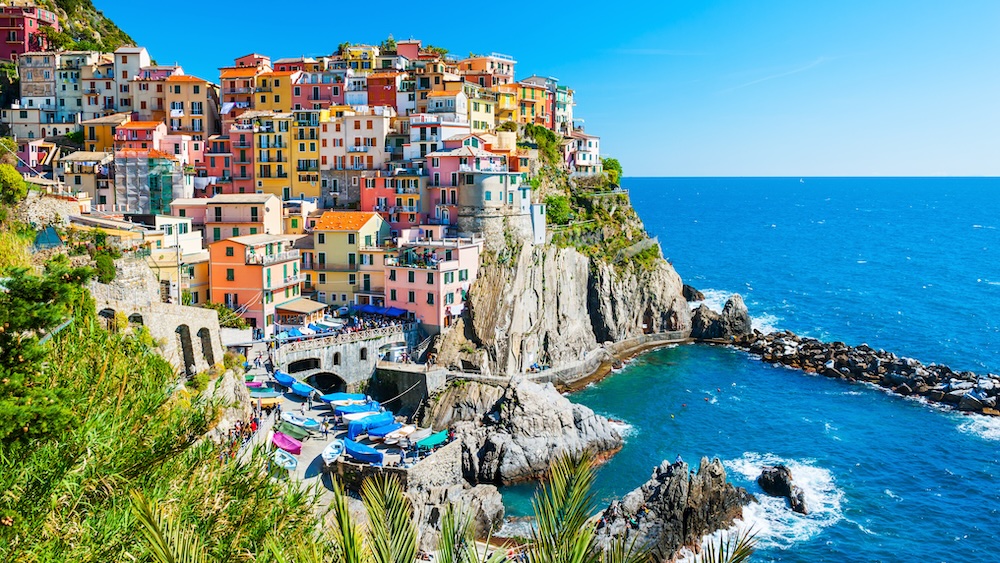
Recent studies link anticipation to a greater sense of well-being. Photo: Cinque Terre National Park, Italy. Adobe Stock
We are generally good at promotion (persuading people to attend) and preparation (providing information after registration). Anticipation is different. It is the pleasure of imagining what lies ahead, and it can become part of the experience itself.
Research supports this idea. Studies have linked anticipation to greater well-being, and some of travel’s happiness occurs before the trip begins. So, how might we design the period leading up to our events as intentionally as we design the event itself?
1. Give people something specific to picture.
Most pre-event communication focuses on information: housing reminders, agenda announcements, and app instructions. Necessary? Yes. Inspiring? Not always. Instead of announcing a keynote speaker, share the question that speaker will help attendees answer. Rather than publishing a list of exhibitors, spotlight a problem they can solve or a product they can experience firsthand.
2. Help attendees imagine their own experience.
Before attending Ai4 in Las Vegas, I received an agenda-building tool. It asked about my industry, role, technical sophistication, and areas of interest, then recommended a schedule tailored to my goals. The practical benefit was obvious, but also prompted me to think about what I wanted from the event and how I might spend my time there.
3. Make the people more visible.
Freeman research shows that attendees primarily network to gain new ideas and meet people with whom they can discuss shared questions and challenges. Organizers can build anticipation by introducing experts and suggesting relevant connections before arrival. Knowing someone who shares your challenge will be in the room gives you something more compelling to anticipate than an opening reception.
 Subscribe to Convene.
Want deep-dive insights on events delivered to your inbox? Sign up for our newsletters
4. Reveal the experience over time.
Travel planning builds excitement because each decision makes the experience more tangible. Consider creating an anticipation calendar alongside the traditional marketing calendar, with touchpoints designed to spark curiosity, connection or confidence. Behind-the-scenes glimpses, speaker stories, and participant introductions can build anticipation without adding more reminders.
Of course, anticipation must be grounded in reality. Overselling creates disappointment. The goal is not to manufacture hype, but to help attendees imagine authentic value: the insight they may gain, the relationship they may begin, the solution they may discover, or the feeling of being among people who understand their work.
We often say the attendee journey begins long before someone walks through the doors. Perhaps it is time to stop merely counting down and start designing the wait. Andiamo!
5. Design for anticipation.
Before sending your next attendee communication, ask yourself: Does this message simply provide information, or does it help attendees imagine the value of the experience ahead? The strongest pre-event communications do both. Whether you’re announcing a keynote speaker, unveiling networking opportunities, or sharing a venue preview, the goal is to make the future event feel more tangible and personally relevant.
Kimberly Hardcastle is chief strategist at The Freeman Company.