 Log In


Lost your job? Give yourself permission to feel bad for a day, then apply some of these expert tips.
Between anxiety about new governmental policies that affect meetings-related travel, economic concerns, and news like Hyatt’s layoff in June of 30 percent of its U.S.–based guest-services and support teams, event planners may be worried about job security. Even someone who was laid off during COVID could be facing a radically different job market than they remember, thanks to the influence of AI on the hiring process.
There’s little that can soften the blow of a layoff, but the way you respond to a job loss is key to recovering from it faster, according to best-selling author of six books and frequent speaker Margie Warrell. “As hard as it is to be laid off, it’s even harder to learn from it. We often go straight to blame or shame and miss the gold in the setback,” she recently told Convene. “Fear kicks in fast: You feel rejected, anxious, angry. But be intentional and think ‘I want to grow from this. I want to land a better job.’ That mindset shift is critical.”
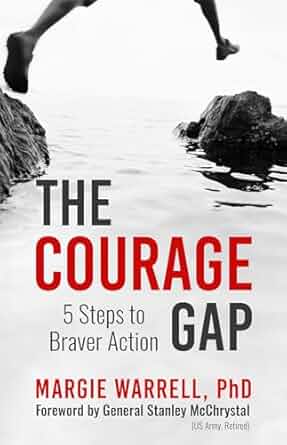 More than 30 years of living and working around the world advising Fortune 500 companies — from her native Australia to Papua New Guinea, to Singapore — has nurtured Warrell’s perspective on navigating risk. She has consulted with Johnson & Johnson, Google, Morgan Stanley, NASA, and other organizations on how to build “cultures of courage.” Her most recent book is The Courage Gap: 5 Steps to Braver Action, a no-nonsense guide for people looking to level up in their careers and relationships. The book offers a detailed framework for moving through uncertainty to positive change, a journey that’s inevitable for anyone seeking new employment.
Throughout her career, Warrell has worked with high-achieving individuals — the very people whom she sees as particularly vulnerable to losing their sense of purpose after a layoff. “Their identity is often tied to achievement, so getting laid off feels like a direct attack. But it can be a powerful moment for self-reflection. As hard as it is to be laid off, it’s even harder to learn from it. We default to blaming others or internalizing failure. But don’t miss the opportunity to reflect,” she said.
 Subscribe to Convene.
Want deep-dive insights on events delivered to your inbox? Sign up for our newsletters.
Getting Through the First Day
One of the most difficult aspects of a layoff is dealing with the initial shock. “Give yourself the space to feel bad for yourself for a day. You have permission to feel the sting,” Warrell said. “But then reclaim the story. It’s how we explain our failures that actually is the strongest predictor of success. What is the narrative? Be very deliberate in the story that you’re telling yourself about this. It’s natural to feel blindsided, but layoffs say more about business realities than they say about your capability.”
She stresses that how we explain our failures is a strong predictor of future success, and recommends that job-seekers create a narrative about their job loss to position it as a pivot point rather than a personal failure. “Take time to reflect on what kinds of problems you love to solve. Who do you love working with? What strengths do you want to use more often? Let that clarity shape your next move,” she said.
Depending on the context of your layoff — were you one of hundreds to depart, or just a handful? — Warrell suggests reaching out to your former colleagues for feedback. “If your boss let you go and you’d already clashed, you might not want more feedback. But if you do ask, make it easy for them. Ask: ‘If there was one thing I could improve to strengthen myself for my next role, what would it be?’ If you handle the feedback graciously and say, ‘Thank you, I appreciate that, it’s something I’m working on,’ they’ll likely be more open to being a reference,” she said.
Securing Your Next Role
In The Courage Gap, Warrell introduces a “one-brave-minute rule” that she applies to any and all stressful situations in her own life. Here’s an example from the book:
After moving to the Washington, D.C., area (the first time), I was invited to an event where I didn’t know a soul — not even the person who invited me. I made a deal with myself to brave
30 minutes. If I hadn’t met anyone by then, I’d go home. As has usually been the case when practicing my one-brave-minute rule, I met a fabulous woman as I walked in the door, and by the time I left two hours later, I’d been invited to run a “courageous conversations” workshop at NASA headquarters. No kidding. I ended up running many leadership programs there. The lesson: Your life will expand in proportion to how often you risk one brave/uncomfortable minute. And sure, not every brave minute will land a new relationship or opportunity, but any brave minute could. Yet even when it doesn’t, it builds your courage muscles for the next one.
Pushing outside of your comfort zone, even for a short time, builds resilience. For someone who has just been laid off, applying the one-brave-minute rule could mean reaching out to someone outside of your network to discover job leads. “You often find jobs through weak ties like friends of friends, not your close network, so you need to be brave enough to reach out to someone you don’t know well or go to a networking event. Give yourself permission to feel awkward for one minute. That minute could change everything. Courage is a muscle. Every time you use it, it gets easier,” Warrell told Convene.
Before you interview for your next role, it’s important to think ahead about how to best answer questions about a layoff. “Mindset is more important than anything. If you show up for interviews angry or resentful, that comes through,” Warrell said. “Focus on what you’ve learned and how you’ve grown. People want to work with others who can reflect on tough experiences with thoughtfulness and maturity. It’s not about sugarcoating. It’s about showing you’ve processed the experience and come out stronger. That tells people you’ll be great to work with even when things get hard.”
Kate Mulcrone is Convene’s digital managing editor.