 Log In


Poornima Luthra’s recommendations for crafting inclusive events are based on her experience as a DEI expert and frequent speaker at corporate events. Photo courtesy Jacob Slaton / Whatever Media Group
As a frequent speaker at corporate events and a DEI expert, Poornima Luthra has a few recommendations for designing events where everyone feels like they belong, from the questions you ask on your registration form to how you select speakers.
Keep Intersectionality in Mind
Seek to attract participants and speakers who bring in different backgrounds, life and professional experiences, Luthra said. “The key for me is that we need to have a good representation of views, but also very competent people on stage.”
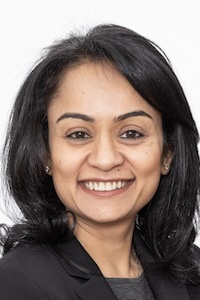
Poornima Luthra
Cast the Net Far and Wide
“In focusing on competency, sometimes we take the easy way out,” Luthra said. “We don’t make an active effort to look for speakers who might not be the obvious choice, but they have a wealth of knowledge and experience to share. That requires scouts who go out there who are really looking for this talent. It’s still grounded in competency, but they’re asking people beyond their immediate networks who they know” who would be a good fit.
Don’t Tick the Box
Saying, “Yes, we have a Black person. Yes, we have someone from this community. Yes, we have someone from the LGBTQ+ community — that isn’t it,” Luthra said. “What is the value that they’re bringing and how are we communicating that? As a keynote speaker, I would hope that they’re not introducing me as a Brown woman living in the Nordics, but rather: This is the work that I’ve done. This is the research that I’ve done. These are books that I’ve published.”
Design for Different Needs
“I’m an ambivert,” Luthra said. “Actually, conferences scare the living daylights out of me. You’d think as an academic that I’m comfortable with it, but I don’t like that kind of small talk. I don’t do well in that kind of environment. I’m very happy when I go to events where they have a quiet room, where I can sit and be with myself. That doesn’t just benefit me — it also benefits someone who’s neurodivergent who needs a retreat from the overstimulation that often happens at these conferences.”
 Subscribe to Convene.
Want deep-dive insights on events delivered to your inbox? Sign up for our newsletters
Accommodate Multiple Languages
“I sit in a part of the world where people speak a variety of languages — Danish, Swedish, Norwegian. As I travel across Europe, there’s French, German, and speakers are comfortable expressing themselves in their own language,” Luthra said — and audiences should be able to consume content in their own language through translation services. Sign language interpreters should be available if registrants have indicated that need.
Food Choices for Everybody
“I cannot emphasize this enough. I’m plant-based. I’m vegan. Having food choices, also having networking opportunities that don’t revolve around alcohol, right? Those are all the things that are small in many ways, but they make such a difference,” she said.
Name Tags With Pronunciations and Pronoun Options
Not everyone may want to include their preferred pronoun on their name badge but, Luthra said, it’s important to give people the option.
Michelle Russell is editor in chief of Convene
- Find out more about how the events industry is responding to pushback on diversity, equity, and inclusion in our August cover story.
- Learn more about how Poornima Luthra’s recent work on DEI applies to meetings and events.