 Log In


‘Year-round marketing has been a best practice long enough that saying so out loud feels almost beside the point.’ Photo: Adobe Stock.
I have watched this play out across campaigns of every size. The creative team gets moving first because something has to go on the website. What gets built in that first push is pretty good. Clean, confident. Something that tells the audience an experience is coming and asks them to trust it.That facade buys time.
When the creative is public and the content pipeline is empty, the marketing team is left running a campaign with nowhere new to go. The event is forming. Speakers not yet confirmed. Sessions not yet built. The program is real enough to have a look but not real enough to have a story. It is a winterized summer home. The structure is sound. Nobody is home.
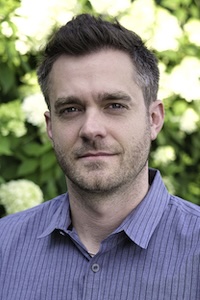
Bill Zimmer
When something becomes real, everyone notices at once. A keynote confirms. A signature experience takes shape. And because this one thing is carrying the full weight of what the event is, every stakeholder waiting for something to react to gets their moment. The revision cycles stretch not because the work is bad but because the stakes feel enormous when there is only one thing to point to.
Good becomes the enemy of great. Or, more accurately, great becomes the enemy of out the door. Hours get spent on assets never used. I have watched talented teams move on to the next thing without anyone stopping to account for what was lost, because there is no time. The event planner is chasing program details. The marketer is chasing deadline. Everyone is moving and nothing is getting made. The calendar does not wait for anyone to catch their breath.
Later, as the event finally approaches, something shifts. The program fills in, and positioning settles, and suddenly I am watching the same people operate in a completely different gear. Reviews get lighter. It feels like a team that has found its playoff rhythm, and the contrast with what came before is hard to miss.
 Subscribe to Convene.
Want deep-dive insights on events delivered to your inbox? Sign up for our newsletters
Most organizations accept it as the natural order of event marketing. I do not think it is natural. I think it is what happens when the off-season goes unused.
Think about what does not get done between events. The subject matter expert whose perspective nobody captures. The session chair who could explain in one conversation why this topic matters more right now than it did last year. The industry dialogue happening in rooms and on calls all year long, evaporating before anyone thinks to write it down. That is not just missed content. It is the foundation that positioning gets built on, and it was sitting right there the whole time.
Year-round marketing has been a best practice long enough that saying so out loud feels almost beside the point. Yet I rarely see anyone in the events industry sustain it. The intention is there at the end of one cycle and tends to be gone by the middle of the next. Priorities compress. The off-season content plan becomes a good idea that did not survive contact with the calendar.
Here is what gets missed most often. This is not a problem that belongs to the marketing team alone. Event planners have more access to the raw material of always-on marketing than almost anyone in our business. Those relationships with speakers, session chairs, and the practitioners shaping the program are the foundation a year-round content strategy is actually built on. An interview captured in September can become the insight that makes a March email land, and a candid conversation about why a topic belongs on the agenda produces positioning that no amount of late-campaign brainstorming would have reached.
I have seen what happens when planners and marketers stop working in sequence and start working in parallel. Less gets wasted.
Imagine arriving at campaign launch with something already in market. Positioning that has been tested. An audience that has been in conversation with the event for months rather than weeks. That is not some unreachable ideal. It is just a choice about when the season starts.
The best events never really stop.
Bill Zimmer is the head of marketing and creative at 360 Live Media, a Smithbucklin company.
Events from Every Angle Archives
Find past Events From Every Angle column here.