 Log In

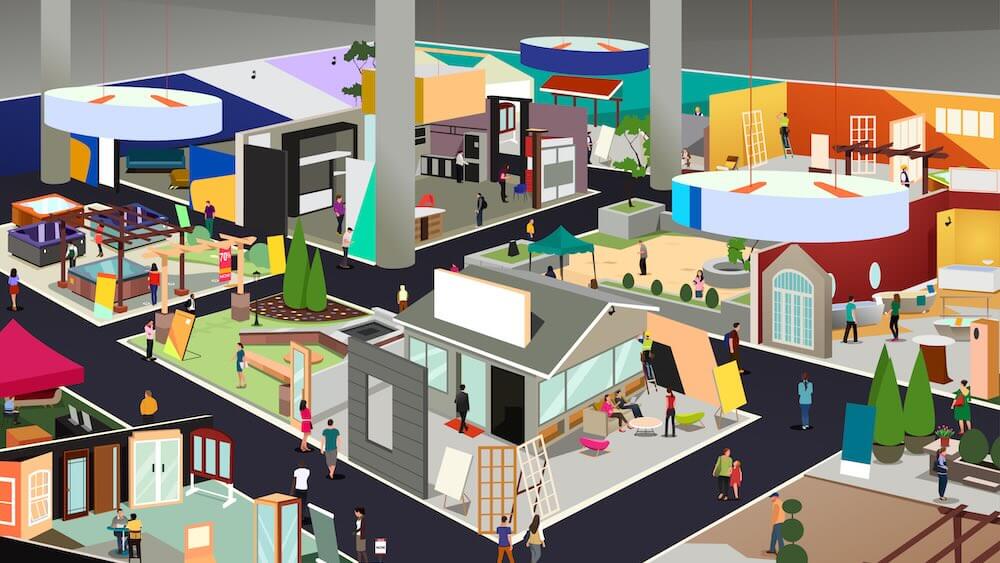
Business event organizers can increase the likelihood of “peak moments” by designing the attendee journey around them.
Freeman research suggests that, on average, only 30 percent of event audiences return from year to year. That means organizers must replace roughly 70 percent of their attendees every show cycle. When you multiply that level of replacement by your cost per acquisition (the sum of all direct expenses including salaries, creative, and media buys that go toward attendee marketing), the result is a substantial amount of capital being spent simply to refill a pipeline.
While it used to be relatively easy to dismiss attrition as a fact of life because people retire, change companies, shift roles, or skip a year, several forces are now making the math harder to ignore. First, the workforce itself is changing. A large cohort of experienced professionals is reaching retirement age, while Millennials and Gen Z professionals are rapidly becoming the dominant segment of the workforce. According to Deloitte and the World Economic Forum, these generations will represent roughly three-quarters of the workforce by 2030.
At the same time, data shows that younger professionals approach events with different expectations. They want frictionless experiences that are personalized, efficient, and highly relevant to their goals. If an event helps them achieve those goals, they are likely to return. If it doesn’t, they are far more willing to try something else next year. The good news is that we know what drives repeat attendance and can adapt our events accordingly.
Create “Peak Moments” That Stand Out
Freeman research shows that attendees who experience a peak moment, defined as a standout, goal-aligned experience during the event, are 85 percent more likely to return than those who do not. Yet only about 40 percent of attendees say they had such a moment at their most recent event. The implication of that is simple: events that intentionally design for these moments are far more likely to see repeat participation.
Peak moments tend to occur when attendees accomplish something meaningful. That might be making a valuable professional connection, discovering a solution to a pressing challenge, or gaining an insight they can immediately apply. Organizers can increase the likelihood of these moments by designing the attendee journey around them. For example, consider personalized agendas that guide participants toward the most relevant sessions and exhibitors based on their goals, create smaller discussion environments where peers can tackle shared challenges, or offer curated pathways that help attendees navigate the event with purpose.
Design Networking With Intention
Even though around half of attendees say making just one meaningful connection would motivate them to return to an event, networking is usually left to chance. Most organizers default to large receptions and open mixers where participants are expected to figure things out on their own. But for many attendees, particularly those new to an industry or attending alone, that environment can feel inefficient or even intimidating.
Instead of leaving connections entirely to chance, organizers can design networking experiences that help participants quickly identify the right people. For example, events might host discussion tables organized around specific industry challenges, schedule short peer-to-peer meetups by job role or career stage or label lounges for certain segments of an industry. When networking feels purposeful rather than overwhelming, attendees spend less time navigating the room and more time building the relationships that make events valuable in the first place.
 Subscribe to Convene.
Want deep-dive insights on events delivered to your inbox? Sign up for our newsletters.
Rethink How Learning Happens
Education remains one of the primary reasons people attend events, but expectations for learning are evolving. Traditional lecture sessions still have value, but findings suggest that attendees increasingly prefer formats that allow them to participate and apply ideas in real time. Workshops, guided discussions, hands-on labs, and sessions that extend from the classroom to the show floor can make learning more engaging and memorable. When attendees leave with knowledge they can immediately apply, the experience is far more likely to become one of the “peak moments” that drives return.
Help Exhibitors Show Up in Ways Attendees Value
Retention is also influenced by what happens on the show floor. Attendee data shows that 84 percent of attendees say connecting with subject-matter experts at exhibitor booths is extremely or very important to their event experience. Interactive demonstrations and hands-on product experiences also rank among the most valued show-floor elements. Yet many exhibitors still rely on static displays or staff booths primarily with sales representatives rather than technical experts.
Organizers can help by sharing attendee insights with exhibitors and encouraging them to design more interactive, expertise-driven experiences. When exhibitors show up with real expertise and meaningful engagement opportunities, attendees want to come back to the exhibit floor.
Measure What Actually Predicts Return
Many organizers rely heavily on metrics such as NPS (net promoter score) or overall satisfaction ratings. While useful, those metrics do not always reveal whether attendees achieved their objectives, which is a much stronger predictor of return. Another challenge is that the industry often hears from only a portion of the audience. Post-show surveys typically capture feedback from the most engaged participants, while the people who skip them, often those who were neutral or dissatisfied, remain largely invisible in the data.
A more complete picture tends to emerge when organizers combine traditional surveys with other indicators. Many are beginning to supplement surveys with short in-app polls during the event, targeted follow-ups to non-responders and/or on-site qualitative interviews. Event evaluation can also benefit from shifting some questions away from general satisfaction and toward outcomes. Questions about whether attendees met their primary objective, made a meaningful connection, or gained knowledge that will benefit their organization often reveal far more about whether an experience delivered the kind of value that will drive loyalty.
Make Retention Visible Inside Your Organization
Finally, retention should be treated as more than a marketing metric. Organizations that want growth to compound rather than reset should track repeat attendance intentionally and review it regularly at the leadership level. Teams should understand how programming, networking design, exhibitor engagement, and learning formats influence the likelihood that participants return. When retention becomes a visible internal priority, events are more likely to be designed with that outcome in mind.
Kimberly Hardcastle is chief strategist at The Freeman Company.