 Log In

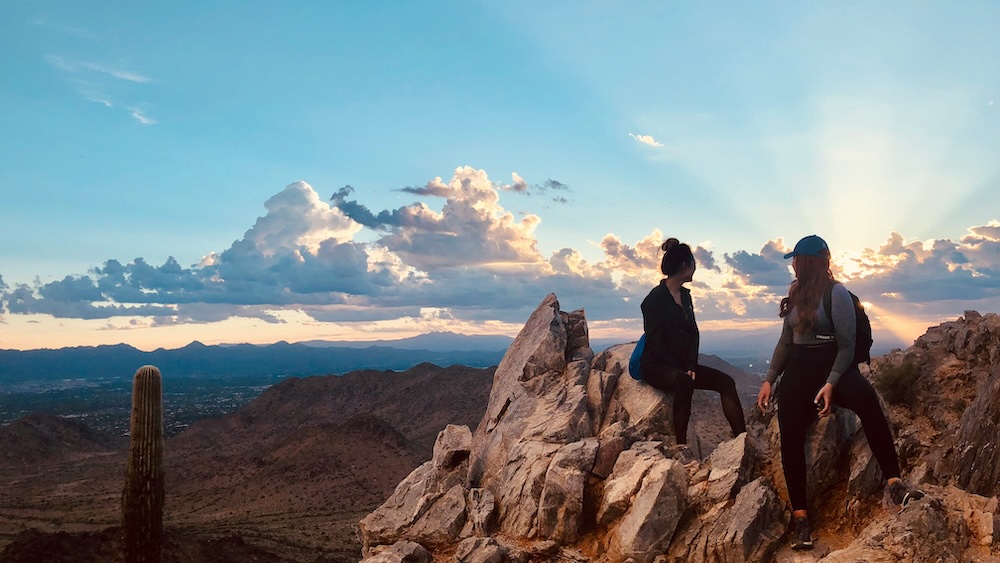
A trek through the region’s dramatic landscape offers a refreshing break between business engagements. Photo: Unsplash
The American Southwest has always been a place where people landscapes, and blend of cultures have long inspired travelers, but today they’re inspiring something else: a new era of meetings and events. Across Arizona, Nevada, New Mexico, Utah, and Texas, cities are investing in modern convention centers and walkable districts. With the rise of bleisure, attendees are increasingly discovering experiential programming that blends business with the region’s unmistakable sense of place.
Dallas is one of the strongest examples of this evolution. The Kay Bailey Hutchison Convention Center anchors a downtown that has transformed dramatically over the past decade, surrounded by revitalized neighborhoods, chef-driven restaurants, and a hospitality pipeline that continues to grow. It’s a place where attendees can move from a morning keynote to a Tex-Mex lunch in the Bishop Arts District, or an evening reception at one of the city’s modern art museums — experiences that feel both polished and rooted in local flavor. Further west, Phoenix is undergoing its own renaissance. The Phoenix Convention Center remains a downtown engine for growth, surrounded by hotels, restaurants, and entertainment that make the city feel increasingly walkable and connected. The center’s sustainability initiatives — from energy-efficient systems to waste-reduction programs — align with the priorities of organizations seeking greener meetings. But the real story is the region’s hospitality pipeline: refreshed resorts, new properties, and a culinary scene that continues to expand. Attendees can explore Roosevelt Row’s murals and galleries, dine at chef-driven restaurants, or unwind in desert-inspired spas that make Phoenix feel both modern and restorative.
Just east of Phoenix, Scottsdale has carved out a niche as a luxury meetings destination where infrastructure meets experience. Instead of relying on a single massive convention facility, Scottsdale’s resort ecosystem offers planners flexible, integrated spaces that blur the line between business and leisure. Attendees can move from a morning general session to an outdoor networking lunch to a sunset reception framed by desert mountains — all without leaving the property. The city’s wellness-focused retreats, desert-inspired cuisine, and curated off-site experiences, from guided hikes to stargazing sessions, make Scottsdale a natural fit for organizations seeking experiential value.
Tucson offers a different kind of Southwestern story — one rooted in authenticity, culture, and culinary depth. The Tucson Convention Center has undergone a series of upgrades, but the city’s broader reinvestment is what gives it character. As a UNESCO City of Gastronomy, Tucson’s food scene is a major draw for attendees, from heritage-inspired dishes to desert-grown ingredients. Planners increasingly build programs that incorporate local culinary experiences, visits to historic neighborhoods, or wellness activities that tap into the region’s natural rhythm. Tucson’s proximity to national parks and desert landscapes supports the growing trend of integrating outdoor experiences into business events, offering attendees a chance to connect with the destination in meaningful ways.
And then there is Las Vegas — the region’s powerhouse. The Las Vegas Convention Center’s West Hall expansion added 1.4 million square feet of new space, including one of the most technologically advanced exhibit halls in the country. Transportation innovations like the Vegas Loop are reshaping how attendees move across sprawling event footprints, reducing friction in a city known for scale. But Las Vegas is also evolving beyond its traditional identity. Wellness programming, immersive venues, art installations, and new culinary districts are becoming part of the meetings narrative, reflecting a broader industry shift toward experience-driven events. Red Rock Canyon, the Valley of Fire, and Lake Mead offer restorative escapes that balance the city’s high-energy environment, giving attendees a chance to decompress and explore the natural beauty surrounding the Strip.
Albuquerque brings yet another dimension to the Southwestern meetings landscape. Known globally for its hot-air ballooning culture, the city offers attendees experiences they simply can’t find elsewhere — sunrise balloon rides, desert vistas, and a deep connection to Indigenous and Hispanic heritage. The Albuquerque Convention Center’s downtown location provides easy access to museums, local restaurants, and historic neighborhoods that give the city its distinctive artistic identity. Its affordability makes it a smart choice for midsized events, especially as organizations look for destinations that balance cost efficiency with cultural richness.
 Subscribe to Convene.
Want deep-dive insights on events delivered to your inbox? Sign up for our newsletters
Palm Springs brings a distinctly retro-cool energy to the Southwestern meetings landscape. The Palm Springs Convention Center sits at the heart of downtown, surrounded by midcentury architecture, boutique hotels, and a creative community that gives the city its unmistakable flair. Attendees can pair sessions with visits to the Palm Springs Art Museum, design tours, or a ride on the Aerial Tramway into the San Jacinto Mountains. With its arts-driven culture, wellness-forward atmosphere, and desert-modern dining, Palm Springs offers meetings a stylish sense of place that feels relaxed, expressive, and unmistakably Southwestern.
Salt Lake City rounds out the region’s infrastructure evolution with a focus on sustainability and outdoor integration. The Salt Palace Convention Center is known for its environmental initiatives, and the city’s proximity to mountain recreation makes it a natural fit for wellness-oriented programming. With airport modernization and new hotel developments underway, Salt Lake City is positioning itself as a destination where modern facilities meet adventure. Attendees can spend the morning in sessions and the afternoon exploring nearby trails, ski resorts, or national parks — experiences that feel both accessible and transformative.

‘Attendees want events that support well- being, creativity, and connection.’ Photo: Unsplash
Across the Southwest, planners are increasingly designing programs that incorporate wellness, culture, and outdoor elements. Morning hikes in Scottsdale, stargazing in Tucson, balloon rides in Albuquerque, culinary tours in Dallas, and art-driven activations in Las Vegas are becoming common additions to meeting agendas. These experiences reflect a broader trend: attendees want events that support well-being, creativity, and connection. The Southwest’s climate, scenery, and cultural diversity make it an ideal region for planners seeking to create memorable, restorative experiences.
Food is also becoming a defining part of the region’s meetings identity. From Dallas’s chef-driven districts to Phoenix’s emerging culinary neighborhoods to Tucson’s heritage-inspired cuisine, the Southwest offers planners opportunities to integrate local flavors into receptions, dine-arounds, and off-site events. In Albuquerque, green chile dishes and New Mexican staples give attendees a taste of the region’s history. In Las Vegas, celebrity-chef restaurants and global dining concepts offer endless options for groups seeking elevated experiences. These culinary touchpoints help attendees feel connected to the destination — and they often become the moments people remember most.
As organizations continue to rethink how they design meetings — prioritizing engagement, flexibility, and experiential value — the Southwest is well-positioned to meet evolving expectations. Its convention centers are modernizing, its hospitality pipeline is expanding, and its destinations are evolving to meet the needs of today’s attendees. And while this feature highlights only some of the cities shaping the region, the broader Southwestern landscape is rich with possibilities.
The Southwest has always been a place where people come to imagine what’s possible. Now, its cities are building the infrastructure to make those possibilities real — creating a meetings landscape defined not just by scenery, but by strategy, innovation, and long-term vision.
Gabrielle Weiss is Convene‘s editor in chief.