 Log In

Tech Labs Transform EduCon Participants’ Ability to Interact With New Technology
Have you wanted to get your hands dirty trying out a new event tech? You’ve come to the right place.

Have you wanted to get your hands dirty trying out a new event tech? You’ve come to the right place.

A new Stanford study suggests that women can get more out of what they want in negotiations, including salary discussions, if they step away from the negotiating table and go for a walk instead.
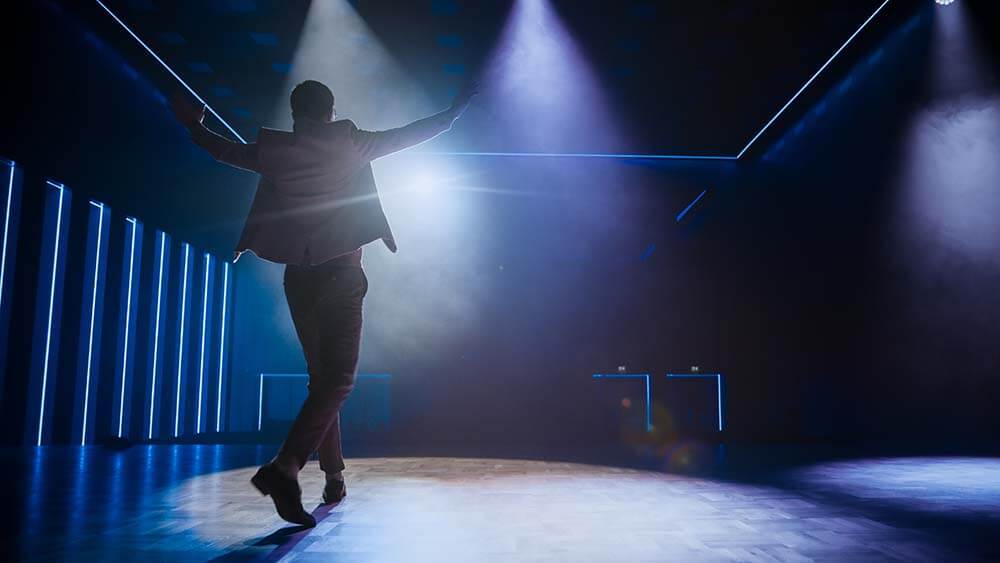
More seats remain empty at keynote and main sessions. Here’s why featuring celebrities probably isn’t the answer to filling them — and what audiences care about instead, according to research from Freeman.

A conversation with Zena Burgess, the CEO of the Australian Psychological Society, on demonstrating empathy with a remote workforce.
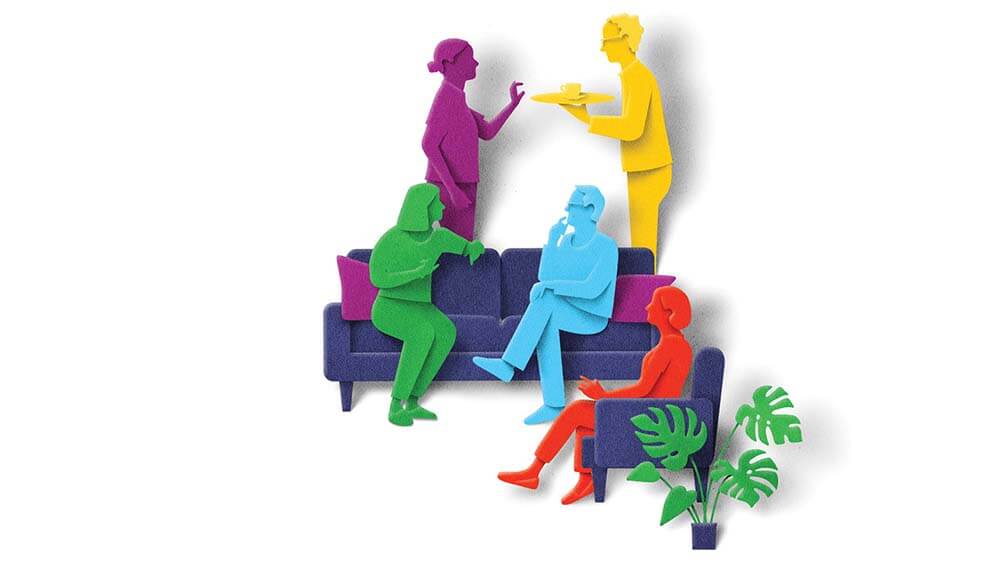
In their new book, The Empathy Advantage: Leading the Empowered Workforce, future of work and technology strategists Heather E. McGowan and Chris Shipley argue that post-pandemic, the world’s workforce is empowered with agency and autonomy, and the old ways of managing people no longer apply.
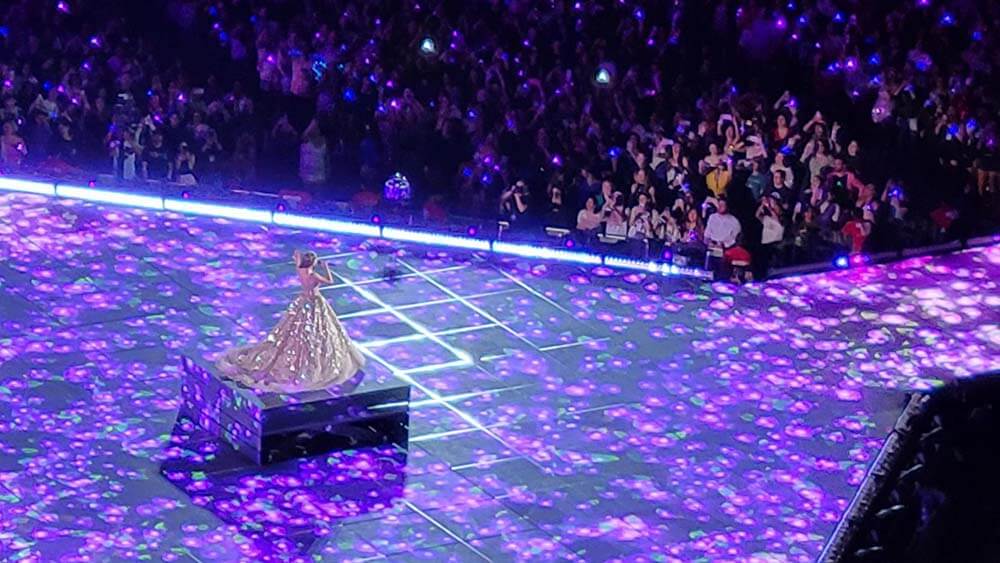
RIMS RISKWORLD kicked off at the same time as Taylor Swift’s final night of her mega concert tour in Atlanta. Here’s how it went down.
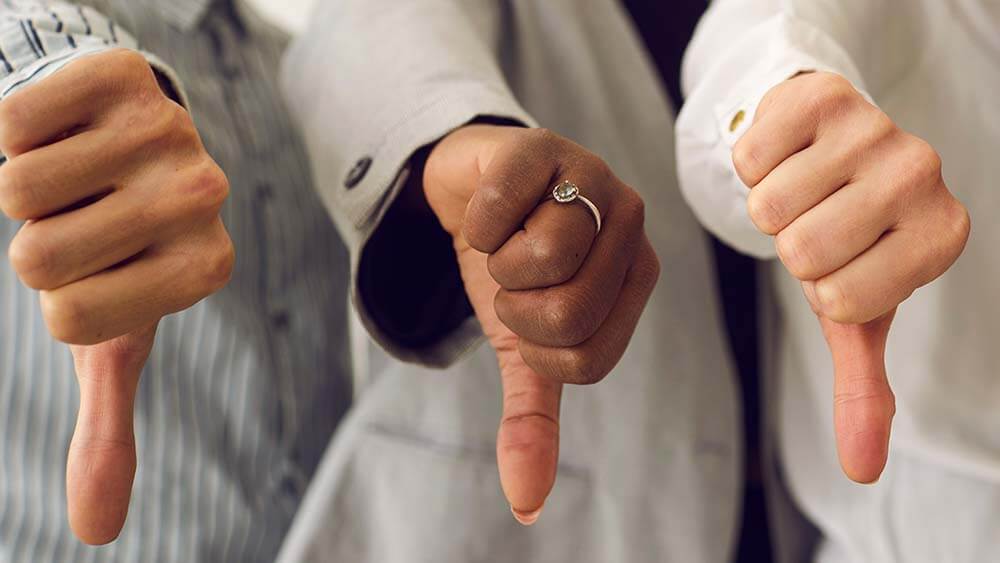
The percentage of employers who think their bosses care about them is at a new low, a new study shows.
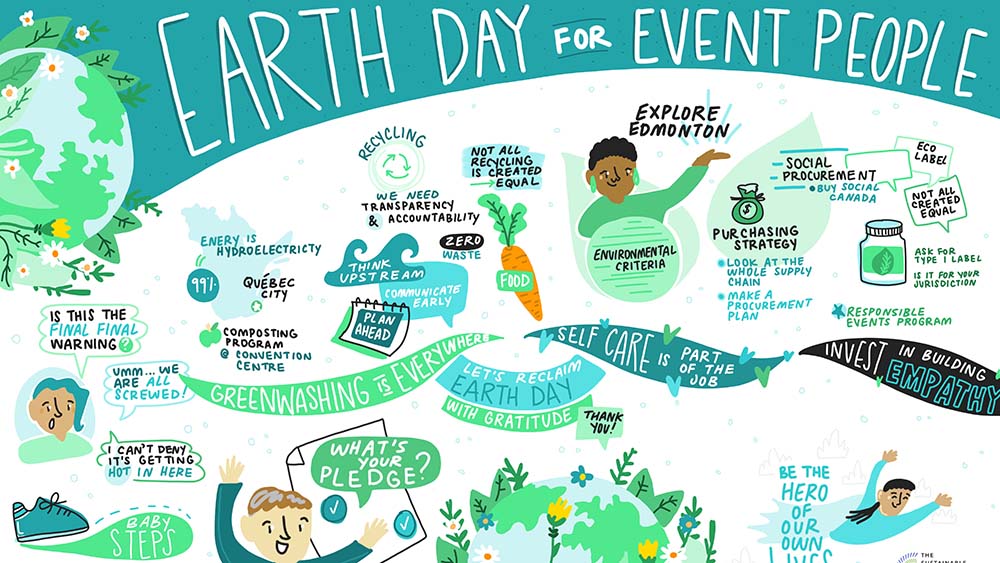
The 4th Annual Earth Day for Event People shared practical sustainability tips — and humor — in a light-hearted approach to environmental education.
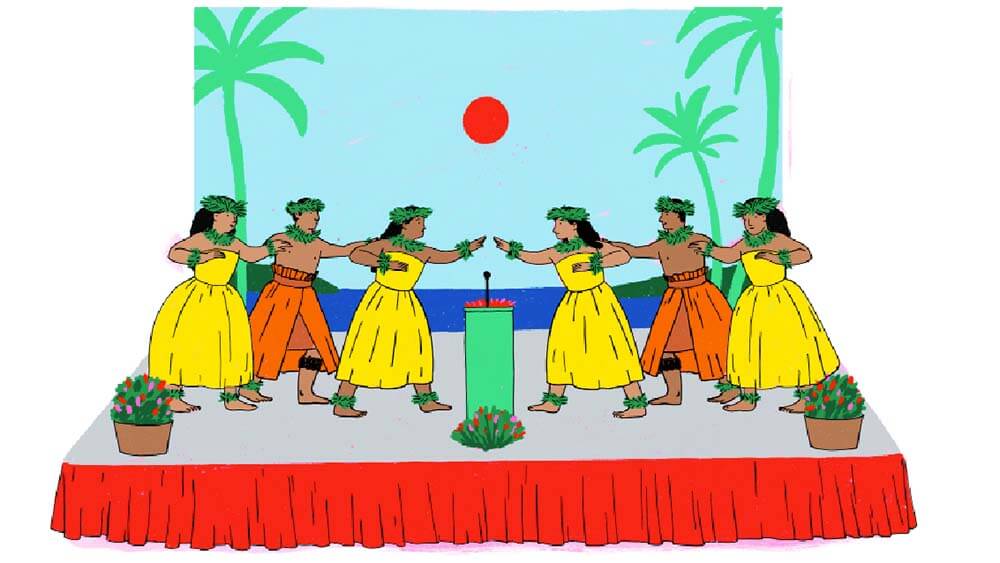
The Council for Native Hawaiian Advancement is set to host its first conference in the continental U.S. in Las Vegas, which has the third-largest Native Hawaiian population in the country.

Key vendors who service the events industry lost a great deal of experienced talent during the pandemic and they haven’t fully restaffed. Here’s how event organizers can ensure they are still getting the service they require.
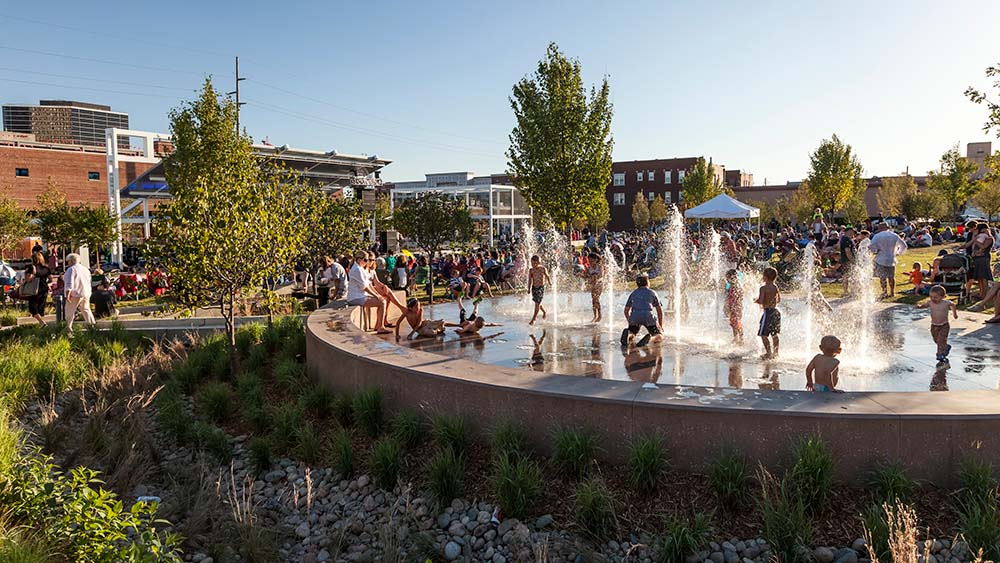
During Resonance Consultancy’s digital WRLDCTY Summit 02 held in April, CEO Chris Fair spoke about how destinations can invest in making their cities a lot more attractive to both residents and visitors alike.
In event marketing, generic messaging is generally considered “bad” while specific messaging is “good.” But we need both for different reasons.